

How heat-exchange parts differ between passenger cars and commercial vehicles
Passenger cars prioritise packaging and weight; commercial vehicles prioritise sealing and durability over long mileage and high load.
Read more
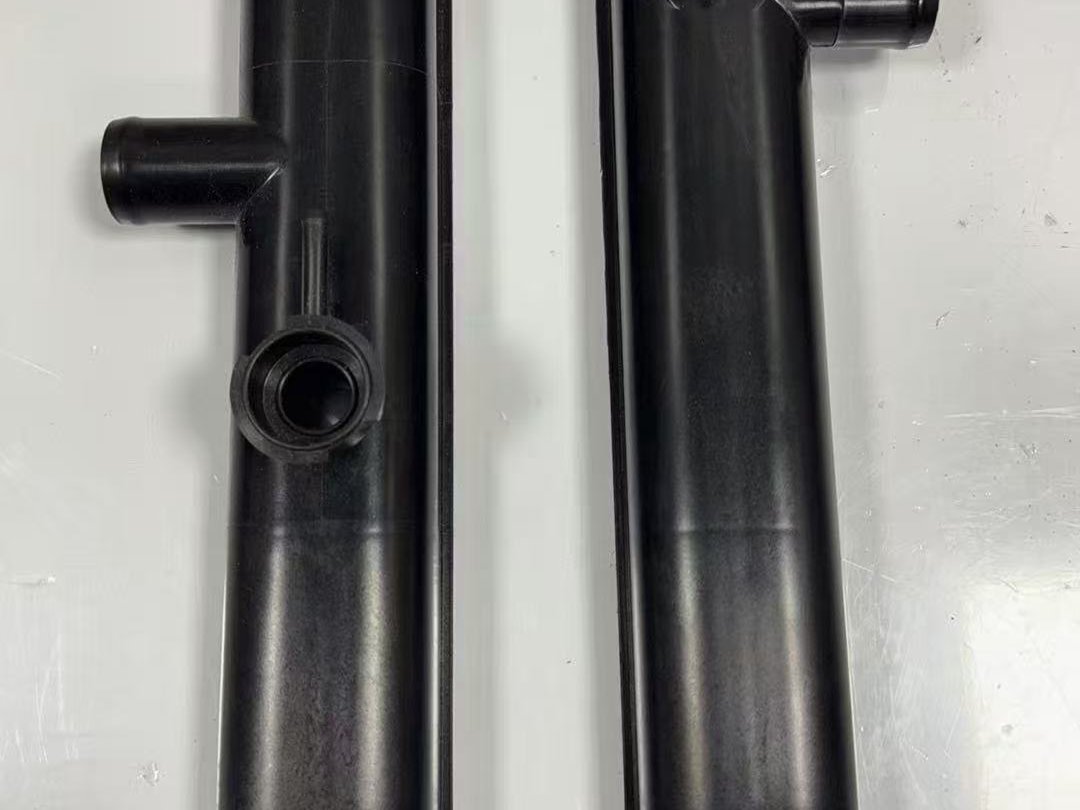
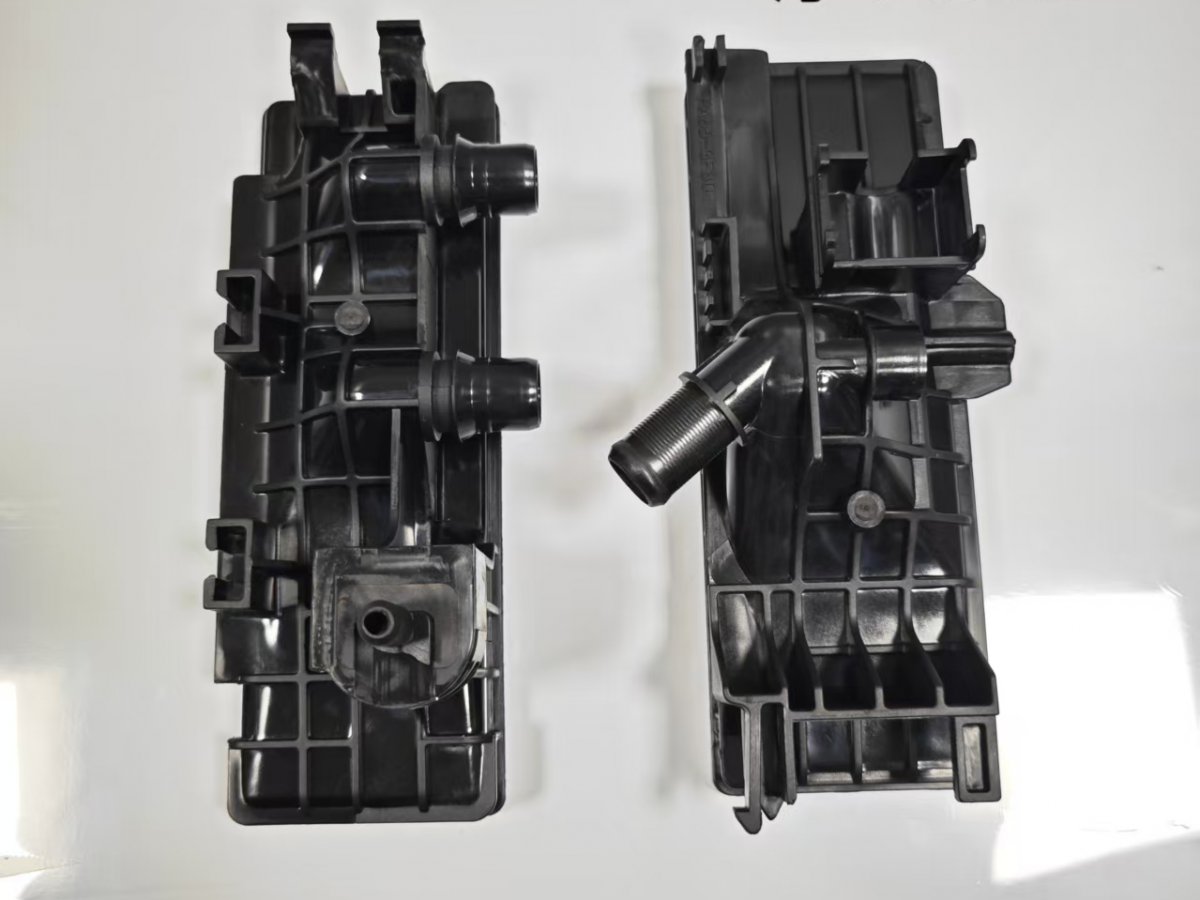
Passenger cars and commercial vehicles both use heat-exchange components, but the design emphasis differs clearly. The passenger-car engine bay is tightly packaged, so parts must deliver charge-air cooling, cabin heating and heat dissipation within limited space — compactness, low weight and interface fit come first.
Commercial vehicles operate continuously under high load over long distances with high vibration, placing greater demands on the sealing and durability of radiator tanks and intercooler components, and the parts are usually physically larger.
For a supplier this means two different ways of organising a product range: fitment by model and part number in passenger cars, and structural and process reliability in commercial vehicles.